A group of people walk on a woodchip path by a river, surrounded by dense autumn trees; a small footbridge crosses the water in the background.

Outdoor School

Your Classroom Is Vermont.

Step outside and make the outdoors your classroom.

The Partridge School of Outdoor Learning reflects Norwich’s long-standing commitment to experiential learning — combining intellectual inquiry, physical engagement, and applied academic work in Vermont’s landscapes. Rooted in Alden Partridge’s belief in developing “a sound mind in a sound body,” the Outdoor School brings classroom academics into the field, where ideas are tested, skills are applied, and leadership is lived.

This is hands-on, credit-bearing coursework for students who want to learn by doing — who want to engage directly with the environment, not just read about it.

A return to Partridge's vision of experiential education. In the field. In community.


Key Information:

School of Outdoor Learning Inaugural Scholarship

To kick off our outdoor school, we are offering 33 $300 scholarships for the first 33 people who enroll/register for classes.

Once students enroll, $300 from the grant will be applied directly to tuition.

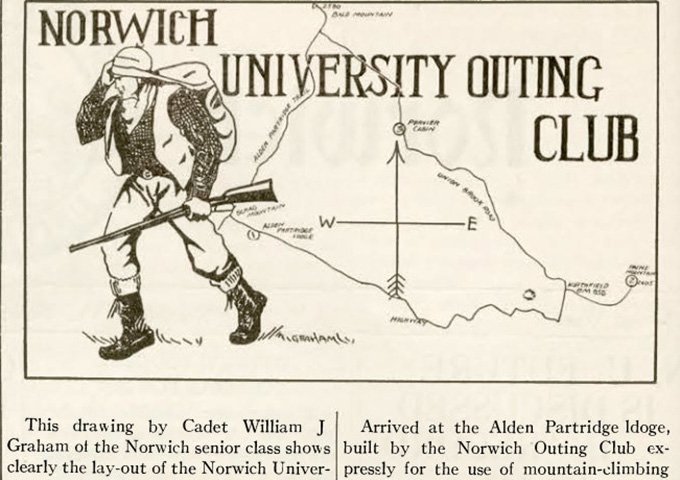
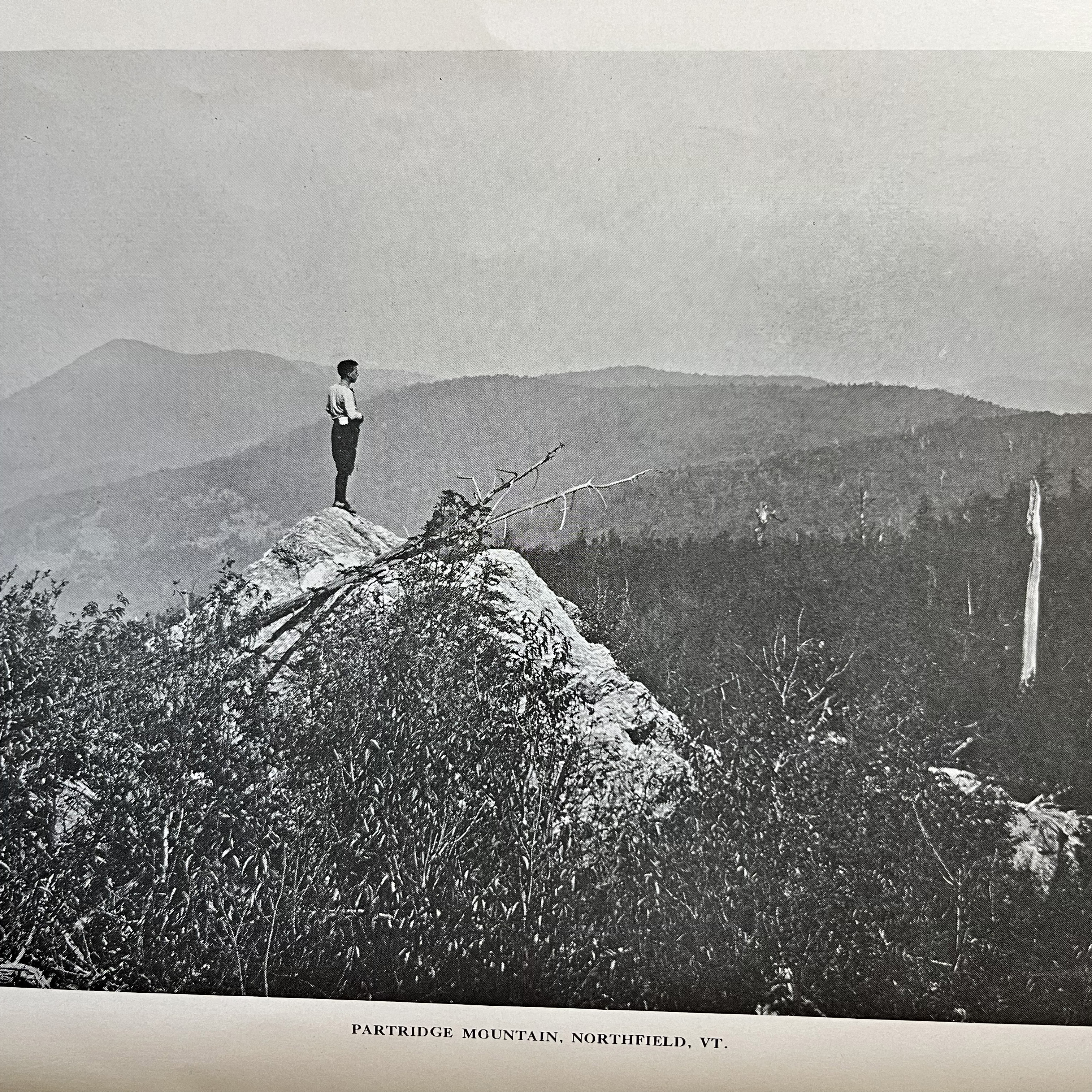
Illustration from 1926 Norwich Student newspaper of Cadet hiking with pack and rifle for Norwich University Outing Club

Continuing Partridge’s Vision

Since 1819, Norwich has believed education should develop both intellect and action — mind and body together.


The Partridge School of Outdoor Learning carries that vision forward by placing students in the environments where ideas take shape.


This is not a new idea. It’s a continuation of how Norwich has always approached education.

How It Works

Rooted in Tradition

Since 1819, Norwich has believed in learning through action. This is that model — fully realized.

Earn Academic Credit

Courses carry 3-4 credits and fulfill Norwich General Education requirements.

Environment as Classroom

Forests, rivers, trails, and towns are not backdrops — they shape the work itself.

Applied Learning

You'll work in real time — alongside communities, ecosystems, and the land itself.

What You’ll Do

Focused Pathways

Student paints on a canvas outdoors while seated beside another person.

Choose from focused pathways that combine field-based learning across disciplines:

  • Outdoor + Civic Immersion
  • STEM + Writing
  • Outdoor Immersion 
In these hands-on courses, you will:
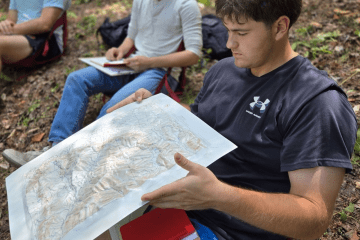
  • Map terrain using drone technology.
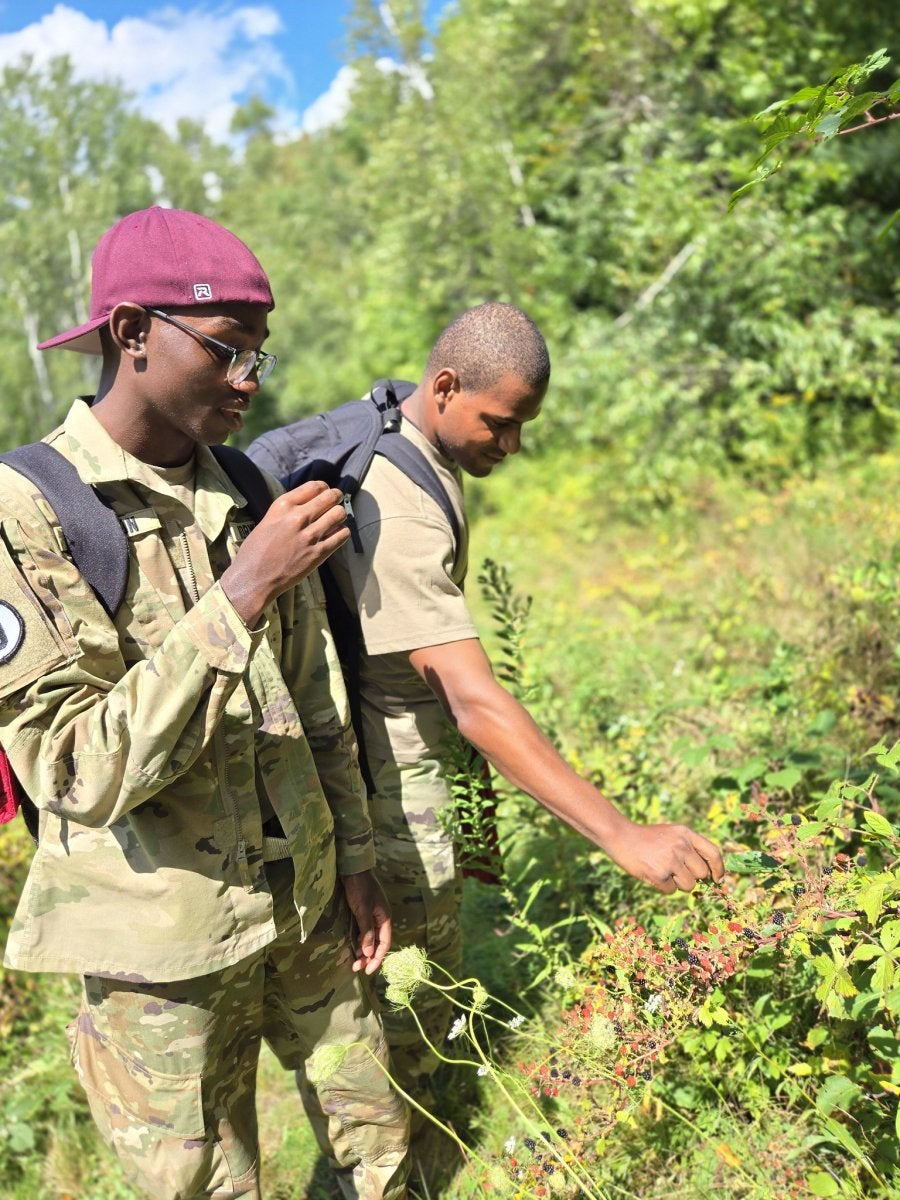
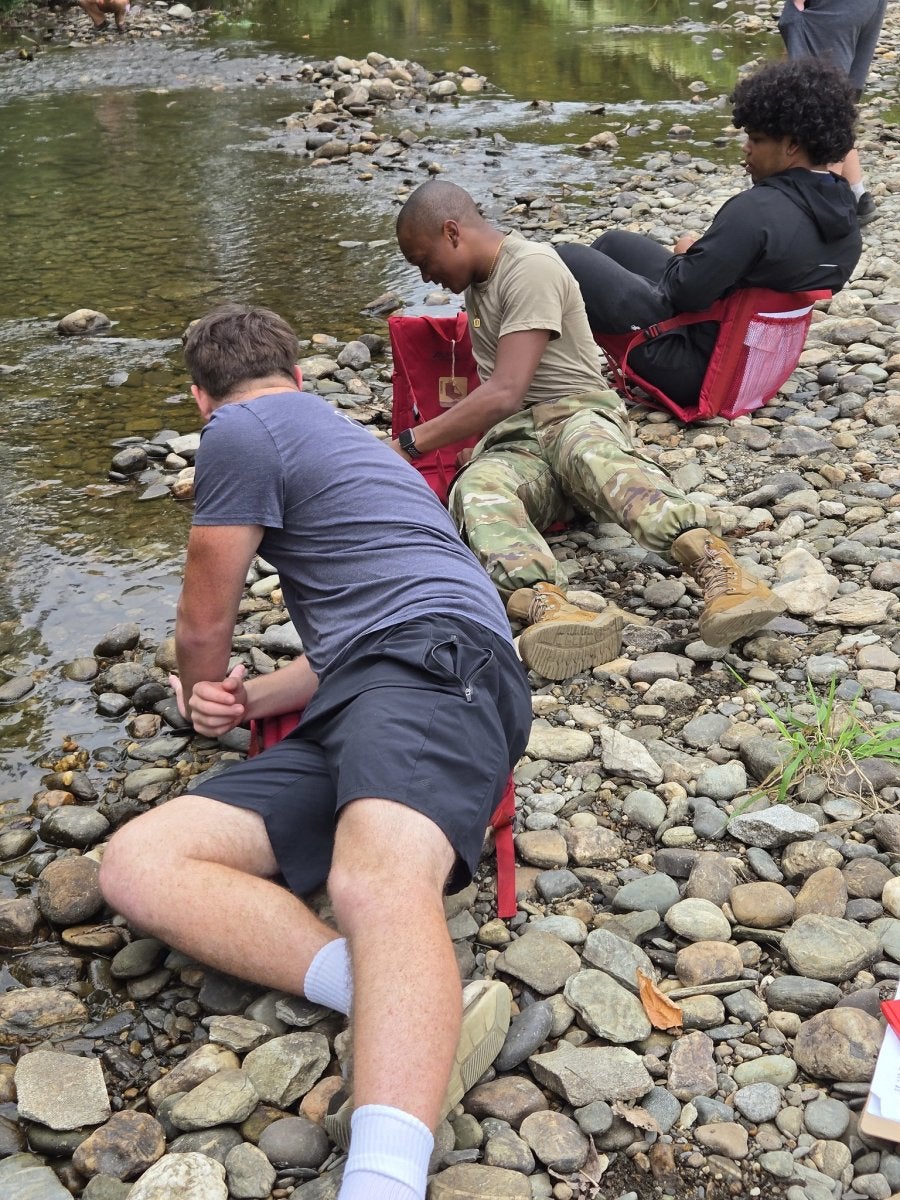
  • Conduct water quality research in the Dog River.
  • Write through observation and community engagement.
  • Study leadership through real-time decision-making.
  • Interpret landscapes through history and art.

Who Should Enroll?

If you learn best by doing — by moving, testing, and engaging with the world around you — the Outdoor School is for you.

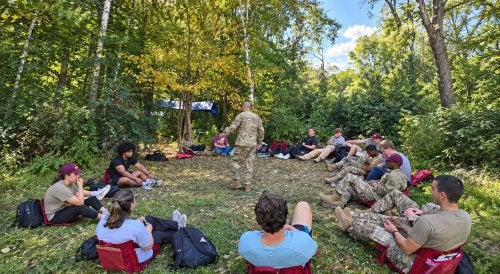
Instructor kneels in a field while a group of students stand around observing plants.
  • High school students earning transferable college credit.
  • Incoming Norwich students start with an immersive experience.
  • Current Norwich students completing or accelerating Gen Ed requirements.
  • Visiting college students are spending the summer in Vermont.
  • Homeschool students looking for a structured, credit-bearing academic experience in the field.

No outdoor experience required — just a willingness to engage, participate, and learn actively.

Enroll for Summer 2026

  • Session: Summer 2026, Session D
  • Dates: June 22-August 7
  • Credits: 3-4 per course
  • Format: 2-, 5-, and 7-week options

Apply / Register through Norwich Summer Academics.

No prior outdoor experience is required — just a willingness to step outside, take on a challenge, and engage with others.

Summer 2026 Outdoor School Courses

Perfect for Students Interested In:

Environmental Science • Sustainability • Leadership Studies • Engineering • Architecture • GIS and Mapping • History • Writing • Art and Design • Public Service

WRIT 110: Writing & Inquiry in Public Contexts

Gen Ed Goal 1, Critical Reading, Writing, and Research
Professor Dalyn Luedtke
Offered: July 6-August 7 (5 weeks): Monday-Thursday 10 a.m.–12:15 p.m.

Students investigate how different communities, including hikers, bikers, conservationists, and local residents, hold distinct values regarding shared public spaces such as Paine Mountain trails and the Dog River. Through observation, exploration, and interviews, students develop critical thinking and rhetorical skills while examining complex public issues connected to Norwich’s physical environment.


FA 250: Art & Landscape: Walking VT’s Environmental History

Gen Ed Goal 3, Humanities
Professor Christina Shivers
Offered: June 22-August 7 (7 weeks): Tuesday-Thursday 9 a.m.–12:15 p.m.

This course explores Vermont’s socio-environmental and landscape history through a series of outdoor guided hikes and walks in Norwich University’s forest and campus, Northfield Town Forest, and Paine Mountain. Each outdoor instructional session will be paired with a form of artistic representation historically used to document and describe nature, providing students with an environmental history of their region through dialogues between outdoor investigation and primary source material.


PY 210: Psychology of Leadership

Gen Ed Goal 8, Leadership
Professor Sean Beebe
Offered: June 22-August 7 (7 weeks): Monday 12:30 p.m.–1:30 p.m.; Tuesday 12:30 p.m.–6 p.m.

Students examine motivation, teamwork, emotional intelligence, and ethical decision-making through classroom instruction, reflection, and progressively extended field experiences. Archival study of Alden Partridge’s educational philosophy anchors the course, with each setting serving as a living laboratory for leadership in practice.


ES 299: Eco Detectives: Methods in Field Research

Gen Ed Goal 4: Natural Sciences
Professor Lindsey Pett
Offered: June 22-August 7 (7 weeks): Monday, Wednesday 1 p.m.–5:30 p.m.

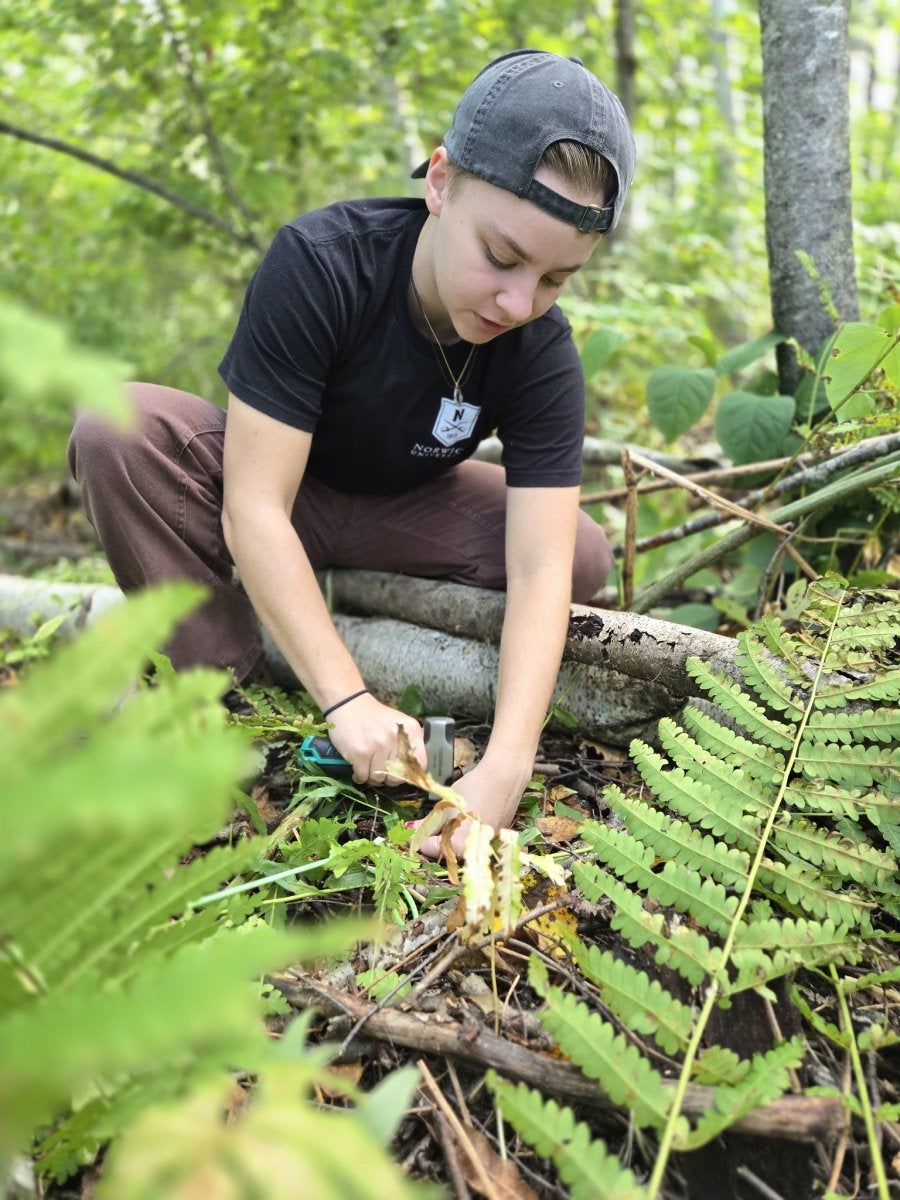
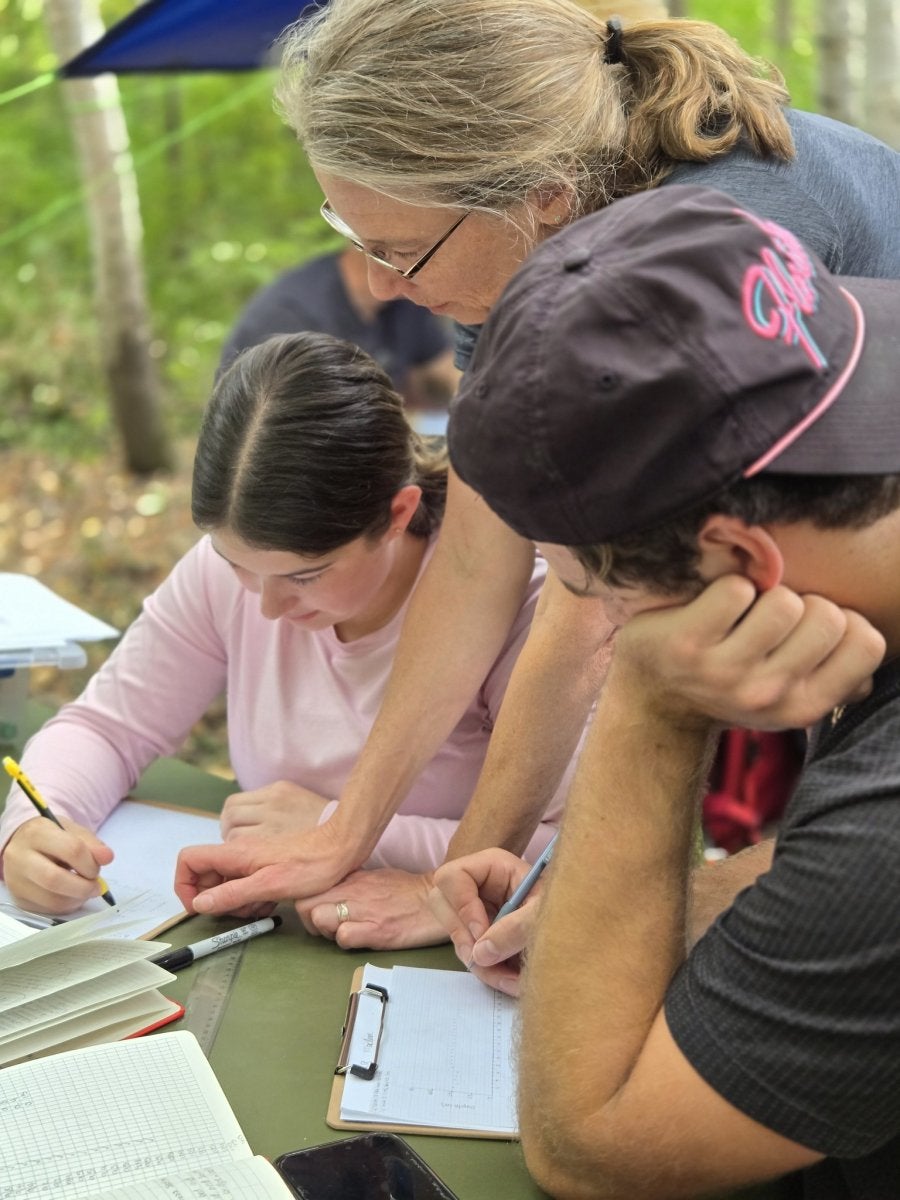
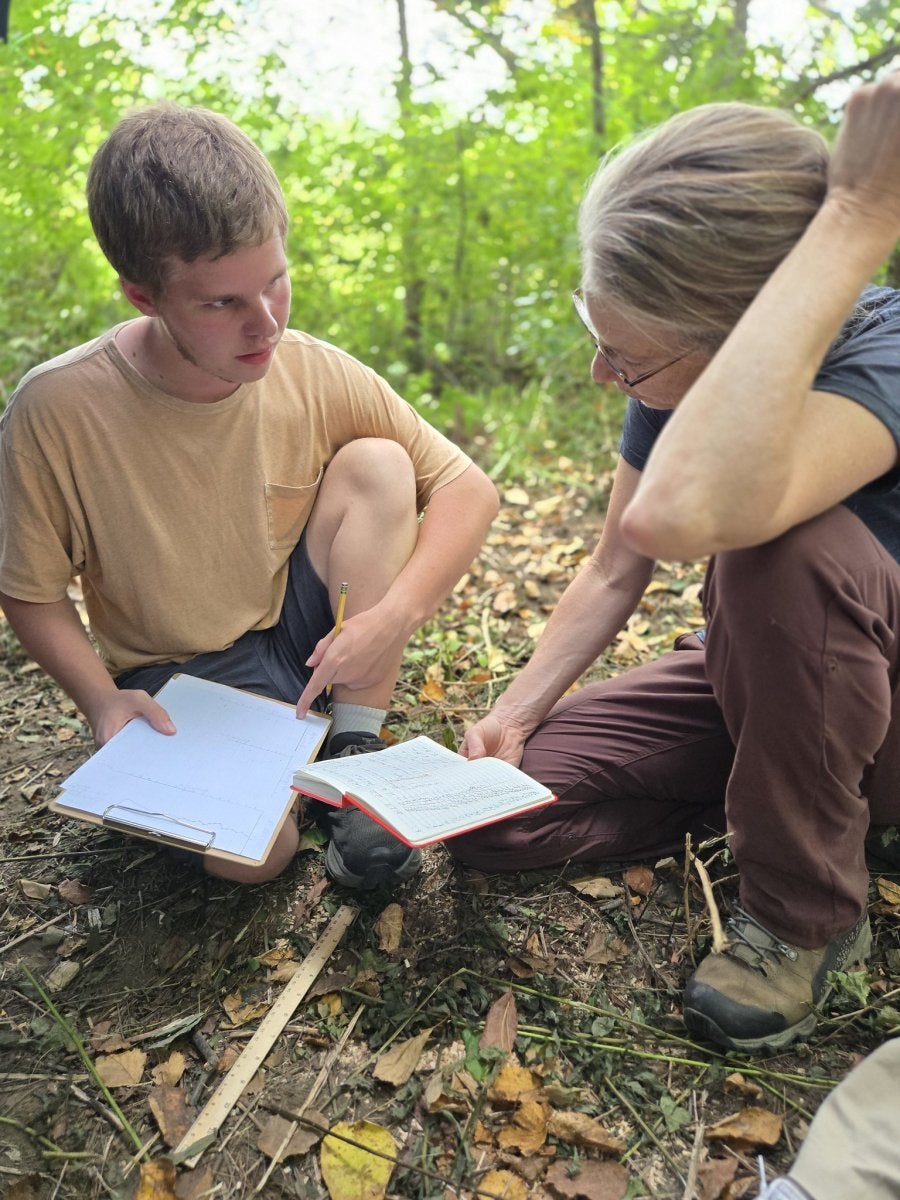
Through hands-on experience in forests, wetlands, streams, and meadow environments, students learn to design and implement field studies while developing technical skills essential to ecological and wildlife research. The course emphasizes data accuracy, statistical sampling design, and the interpretation of biological data in the context of habitat assessment and conservation management.


HI 260: Public History in the Field

Gen Ed Goal 3: History
Professor Chris Delmas
Offered: June 22-August 7 (7 weeks): Friday 8 a.m.–2:30 p.m.

In partnership with the Northfield Historical Society, students explore how stories of place are preserved through the built environment, oral histories, and public exhibitions. Participants conduct site visits and documentation at the Paine House Museum and surrounding heritage sites, contributing to community-based interpretive projects.


EG 299: Drones in BIM: Mapping, Modeling & Surveying

Professor Jack Patterson
Offered: June 22-July 3 (2 weeks): Monday-Friday 8 a.m.–12:30 p.m.

This intensive course introduces students to drone mapping, photogrammetry, and site modeling. Students collect and process spatial data using industry-standard tools while reflecting on the civic, ethical, and environmental implications of emerging geospatial technologies.

Partridge School of Outdoor Learning FAQs

Why should I enroll in an Outdoor School course? 

The Partridge School of Outdoor Learning brings learning beyond the classroom and into the landscape. Earn academic credit while hiking mountain trails, conducting ecological research in Vermont forests, mapping landscapes with drone technology, and exploring the histories embedded in rivers and communities.

Develop leadership, research, and creative skills while exploring Vermont’s environment as a living laboratory.


Who Can Enroll in Outdoor School courses?

Anyone who enjoys learning outdoors and exploring real landscapes and communities!

Perfect for students interested in:

  • Environmental Science
  • Sustainability
  • Leadership Studies
  • Engineering
  • Architecture
  • GIS and Mapping
  • History
  • Writing
  • Art and Design
  • Public Service

What is unique about the Partridge School of Outdoor Learning? 

  • Courses integrate the environment into the curriculum so the outdoors becomes part of the learning experience.
  • Opportunities to conduct hands-on research and develop leadership skills in general education courses.
  • Courses invite students to apply their learning within real landscapes, communities, and ecosystems.
  • Experience Vermont as a living classroom!

Where do Outdoor School courses take place? 

Courses take place outdoors on the Norwich University campus, with excursions to campus forests, Paine Mountain trails, the Dog River watershed, Northfield Town Forest, and Northfield historic and community sites.

Apply / Register through Norwich Summer Academics.

Partridge School of Outdoor Learning

Read about the inspiration behind Norwich's innovative Outdoor School.