
A New Era for Norwich Cavalry
Norwich’s Cavalry Troop blends historic tradition with hands-on horsemanship and leadership, where cadets learn to ride, care for horses, and grow as citizen-leaders at Cedar Ridge Farm under expert trainer Kim Bisson.
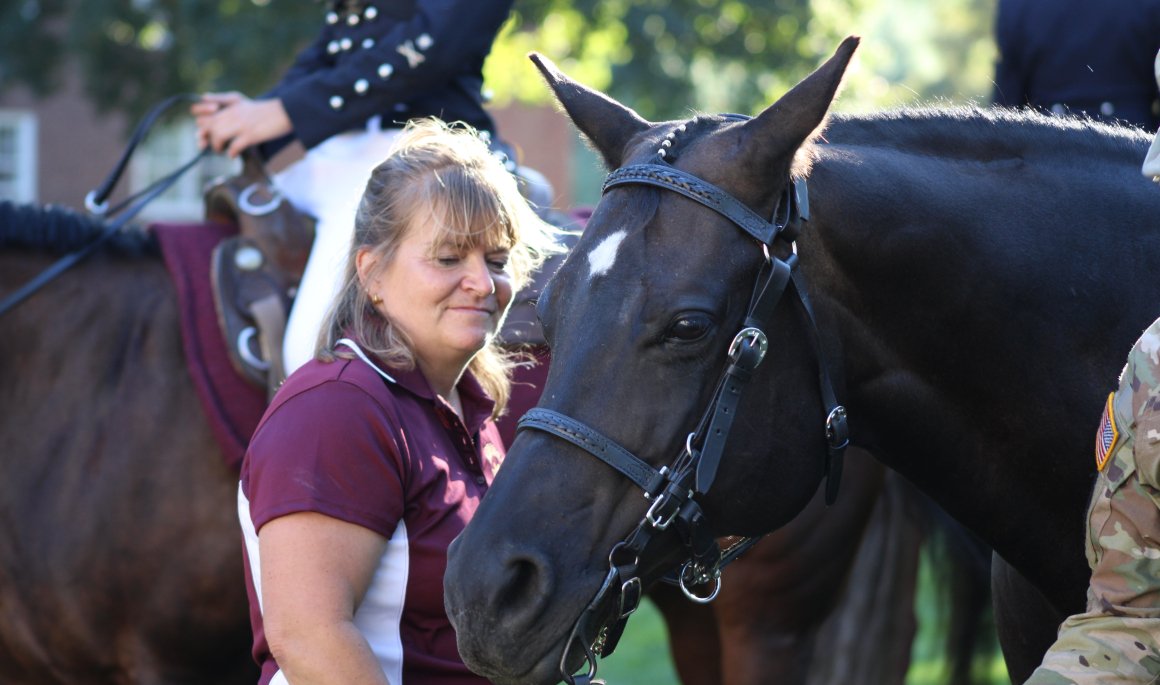
The Cavalry Troop, one of Norwich University’s oldest and most recognizable traditions, has entered a new era grounded in hands-on learning, horsemanship, and leadership.
This renewed chapter is unfolding at Cedar Ridge Farm under the direction of Kim Bisson, a licensed professional trainer and riding instructor whose nearly 40 years of experience have shaped equestrians at every level.
After decades of national competition, Bisson saw an opportunity to reshape the Cavalry Troop's experience into something more accessible, more educational, and more transformative for today’s cadets. What she envisioned was developing capable young leaders — cadets who learn not only how to ride, but how to care for, respect, and work alongside the animals entrusted to them.
A Shift to Western Riding
Her first major step was a shift that may surprise those familiar with cavalry tradition: transitioning the program from English riding to Western. The decision, Bisson explained, was intentional. Western riding provides a more approachable starting point for beginners, allowing students to focus on balance, confidence, and communication in the saddle without being overwhelmed. For many cadets, this is their first real interaction with horses, and beginning with a steadier, more accessible style helps them find comfort and progress quickly.

But riding is only one part of the cavalry experience, by design. At Cedar Ridge, cadets become involved in every aspect of horse care and barn life.
Students learn:
- barn management
- daily feeding routines
- grooming practices
- fundamentals of equine medicine
By doing the work to keep the animals healthy and the barn running smoothly, cadets experience the rewards of their hard work.
Bisson believes these routines are just as important as time in the saddle because they teach cadets the discipline and quiet responsibility that define true leadership.
“You learn to lead through patience, communication, and consistency,” says Bisson. “The horses respond when you earn their trust.”
It is a lesson that resonates far beyond the barn. Horses, cadets quickly discover, do not respond to rank or titles. They respond to intention, clarity, and care. They mirror the emotions and energy of the people around them, offering immediate, honest feedback. That dynamic becomes a powerful training ground for cadets learning to lead with presence, humility, and steadiness.
Each feeding, every grooming session, each interaction of caregiving becomes part of a larger education. Cadets develop pride not merely in riding but in the work that keeps the animals healthy, the barn running smoothly, and the tradition alive.
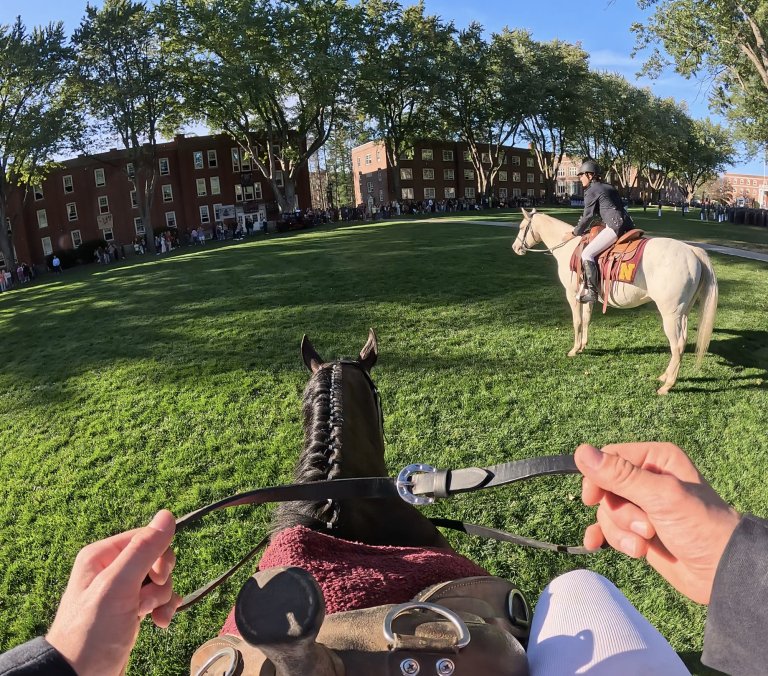
The Result is Something Deeply Norwich
In many ways, today’s Cavalry Troop stands exactly where Norwich University has always stood: at the intersection of heritage and forward movement. The troop preserves an iconic chapter of Norwich history while embracing a modern, student-centered approach that meets today’s cadets where they are. Experiential learning, responsibility earned through action, and the shaping of leaders who understand that service often begins with dedication to something larger than oneself.
Read More
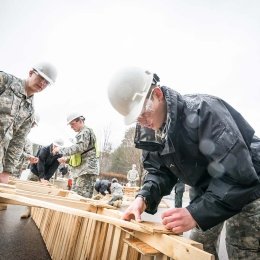
A Glimpse of the Hill with Associate Professor Adam Sevi, Ph.D.
Take an active role in building the world following your graduation. Practical experience under the guidance of dedicated faculty prepares you to keep society moving forward, whether you are working construction sites, looking after the environment, or planning a city’s growth.
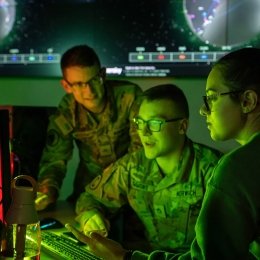
Defending the Future - An Interview With Dr. Michael Battig
Cybersecurity is a rapidly evolving field, demanding both strong fundamentals and hands-on preparation for real-world threats. At Norwich University’s Senator Patrick Leahy School of Cybersecurity and Advanced Computing, students learn within a program nationally recognized for its rigor and impact.

Guiding Creative Futures with Dr. Tim Parker
Learn to view the world through a new lens with insight from Dr. Tim Parker, graduate director of the School of Architecture and Art and associate professor. Under the guidance of dedicated faculty from day one, you’ll expand your horizons, bring your designs to life, and discover the career path best suited for you in this versatile and creative field.