

Norwich Univ ATF Intern

Criminal Justice

Serving communities. Solving problems. Understanding justice in practice.

At Norwich, Criminal Justice students study the systems that protect communities and engage with the people and agencies doing the work.

Key Information:


Understanding the Field

Interest in investigations, intelligence, crime analysis, law, public service, and law enforcement brings many students to Criminal Justice.

That interest is often the starting point for discovering how many directions Criminal Justice can take.

Criminal Justice includes policing, courts, and corrections, but it also includes intelligence, homeland security, emergency management, public policy, cybercrime, and crime analysis. Professionals across these areas gather information, solve problems, make decisions, and work together to address complex challenges.

At Norwich, students have opportunities to explore the field before committing to a specific direction within it. Through coursework, experiential learning, practitioner engagement, and alumni connections, they gain a clearer understanding of where their interests and abilities fit.

Criminal Justice at Norwich turns 50 in 2027

Five decades of graduates have built careers in law enforcement, intelligence, courts, public service, policy, and related fields. The alumni who built those careers started where today's students begin with questions, interests, and a willingness to engage. Through coursework, field experiences, practitioner access, and alumni mentorship, students begin to see where they fit and how they want to contribute. A program can open doors. Norwich alumni help hold them open.

Program Structure

The program builds from the foundations: criminal law, procedure, policing, courts, and corrections. From there, students move into applied and analytical work.

Courses in Criminal Justice Ethics and U.S. Constitutional Law build judgment and legal understanding. Research Methods and Elementary Statistics develop the analytical foundation needed for crime analysis, intelligence work, policy, and graduate study. Electives allow students to shape their direction within the field.

Optional concentrations are available in Emergency Management and Victim Services. Students can also add minors in criminology, transnational crime, cybercrime and computer forensics, environmental criminology, and pre-law.


Putting Knowledge to Work

Foundation | Year 1
Criminal Justice and Criminology run side by side. Students begin with introductory coursework in both fields while building early skills in ethics, writing, and professional development.

Analysis | Year 2
Research Methods and Statistics build analytical skills. Criminal Law and Criminal Procedure introduce the legal foundations that shape the system. Language and intercultural requirements help prepare students to work across communities and contexts.

Direction | Year 3
Coursework in policing, courts, corrections, and Criminal Justice Ethics deepens understanding of the system. Electives allow students to shape their direction through areas such as intelligence, forensics, emergency management, victim services, or related fields.

Professional Preparation | Year 4
Students complete intensive research and analysis of major issues in Criminal Justice. Those on the Accelerated Master's pathway may begin graduate coursework, applying upper-level study toward a Master of Public Administration.

Career Paths

Criminal Justice graduates work across law enforcement, intelligence, analysis, emergency management, corrections, and public administration.

Intelligence analyst

Collect, analyze, and act on information across local, national, and international threat environments. Crime and Law Enforcement Intelligence and Fundamentals of Intelligence courses build directly toward this work.

Intelligence analyst careers

Crime analyst

Use data and mapping software to identify patterns and support active investigations. Crime Analysis and Mapping includes a capstone project with a Vermont criminal justice agency.

Crime analyst careers

State and local law enforcement

Work as a state trooper, police officer, or detective. Norwich's Quinn Bill certification provides financial incentives for Massachusetts officers pursuing higher education.

Law enforcement careers

Emergency management specialist

Coordinate response across agencies during disasters and public safety events. A growing field and an active concentration at Norwich.

Emergency management careers

Corrections and victim services

Work within corrections administration, probation, parole, or victim advocacy. Both are optional concentrations within the program.

Corrections careers

Law and public administration

Pursue law school or careers in criminal justice policy and public administration. The Accelerated Master's in Public Administration is available for students ready to keep building.

Public administration careers

Our Faculty

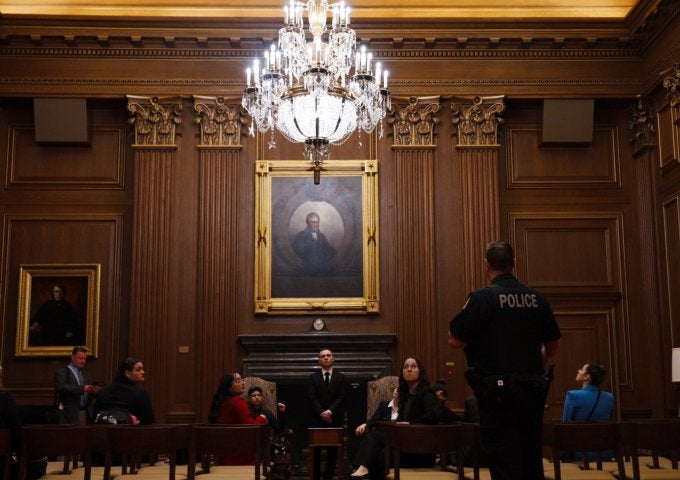
Police officer stands before seated people in a wood-paneled courtroom with a chandelier and framed portraits.

Students from the School of Criminology and Criminal Justice tour the United States Supreme Court Building in Washington, D.C.

Exploring the Profession

Criminal Justice brings together a wide range of disciplines and career paths. Investigations, crime analysis, intelligence, homeland security, emergency management, public policy, and law all play important roles in helping communities respond to challenges and make informed decisions.
Professionals in these fields gather information, analyze evidence, identify patterns, communicate across organizations, and help guide decisions that affect people and institutions. As students explore the profession, they begin to see how these areas connect and where their own interests, strengths, and goals may fit within the field.

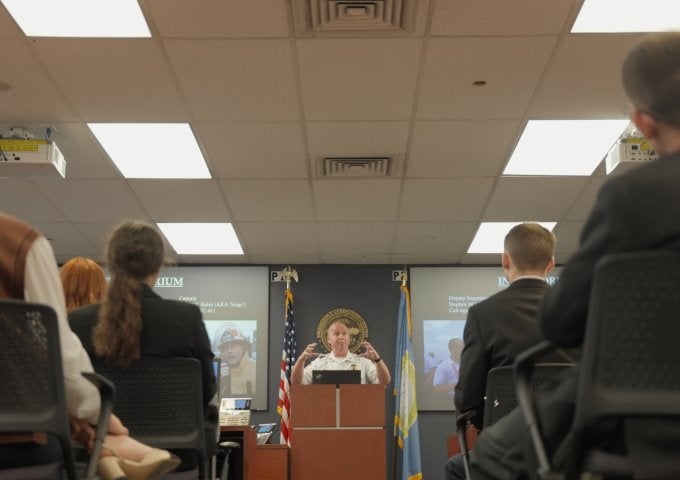
Person speaks at a podium to seated audience in a room with flags and presentation slides on screens.

Students from the School of Criminology and Criminal Justice tour the Boston Emergency Operations Center.

Learning Through Experience

The Norwich Criminal Justice network brings the field closer.
Alumni, faculty, agency partners, and practitioners help students see the profession from the inside: how investigations unfold, how agencies coordinate, how decisions are made, and how careers take shape. Through the CSI Experience, Washington, D.C., Boston, agency visits, and field-based learning, students gain access to people and places that help them understand the range of paths available.
You may come to Criminal Justice with one career in mind. These experiences help you test that interest, ask better questions, and see how many directions the field can take.

The Norwich Advantage

Criminal Justice students do not only study the systems that protect communities. They engage with the people, agencies, alumni, and institutions responsible for carrying that work out every day.

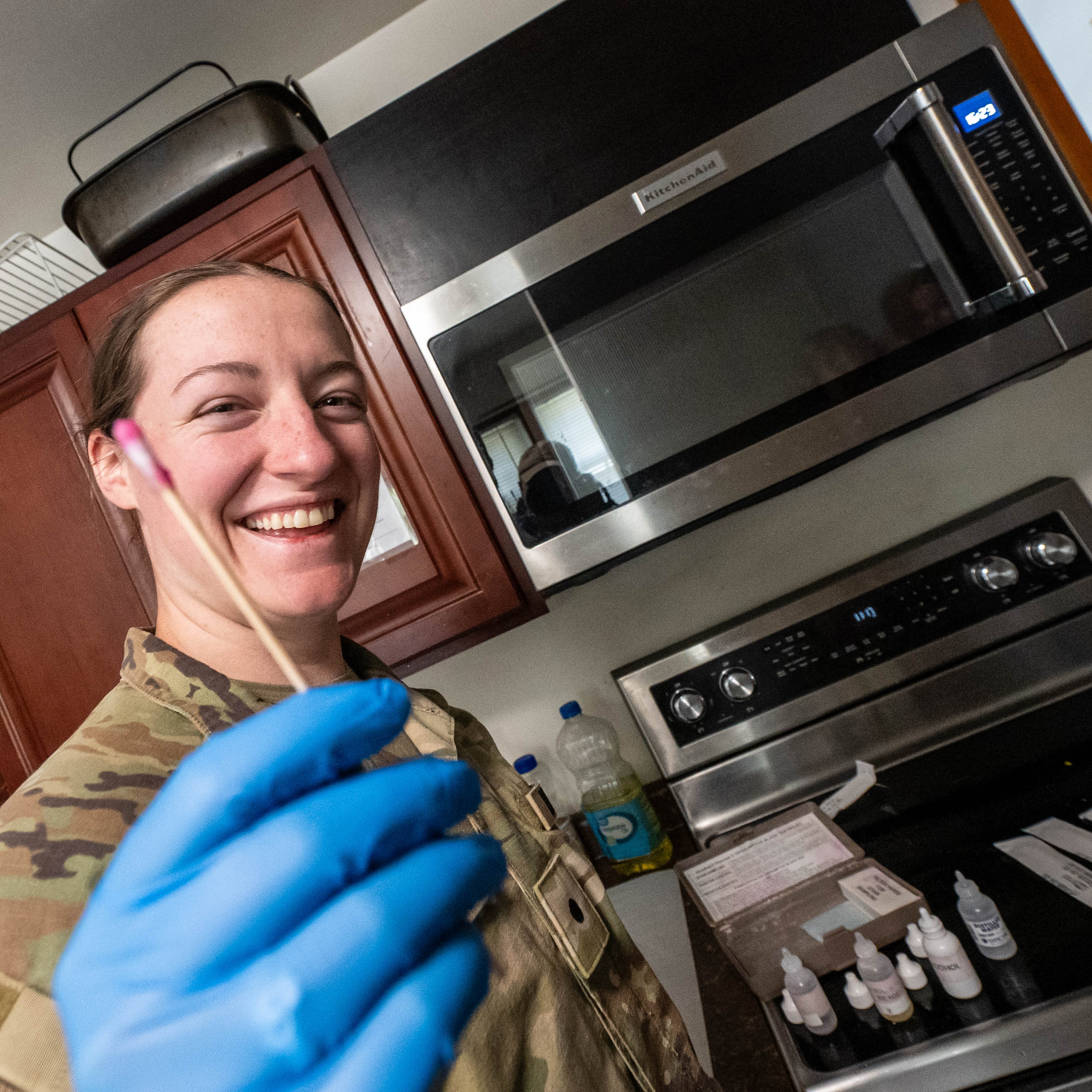
Through the CSI Experience, students work in teams to solve a staged investigation connected to agency partners and guided by alumni mentors with law enforcement experience. The experience asks students to analyze evidence, communicate under pressure, and begin applying the judgment expected in the field.

The Washington, D.C., and Boston experiences extend that learning beyond campus. Students visit agencies, meet practitioners, and connect with alumni working across local, state, and federal systems. These experiences help students see how public safety, investigation, intelligence, policy, and law operate in practice.

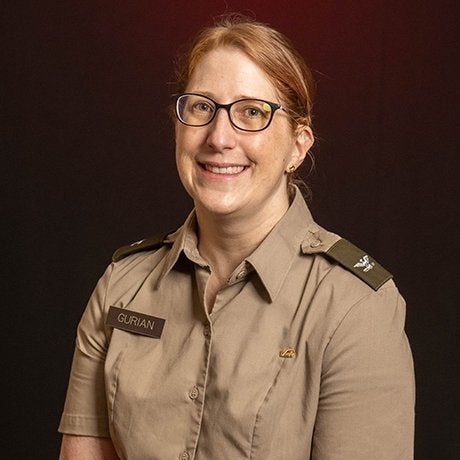
Criminal Justice faculty bring current research, field experience, and professional relationships into the classroom.

Students can take undergraduate courses in areas such as extremist propaganda analysis, information warfare, crime analysis, and digital forensics because faculty are actively engaged in those fields. That access matters. It means students are learning from people connected to the questions, methods, and challenges shaping Criminal Justice now.

Criminal Justice has been part of Norwich for nearly 50 years. Over that time, graduates have built careers across local, state, and federal agencies, law, intelligence, public service, and related fields.

That network does not sit at a distance. Alumni return for the CSI Experience, mentor students, host visits, attend events, and help students understand how careers actually take shape. A program can open doors. Norwich alumni help hold them open.

Program Requirements

To view additional program details and degree plans, visit the Norwich University Course Catalog.

Accreditation

Norwich University is accredited by the Massachusetts Department of Higher Education, qualifying for the Police Career Incentive Pay Program (PCIPP), commonly known as the Massachusetts Quinn Bill, was a program designed to provide financial incentives for police officers to pursue higher education.

Next Steps: The Admissions Process

  1. Here To Help

    We're here to help you along the way.

    We are thrilled that you are considering Norwich and have a team dedicated to help you through every step. College is challenging and fun, applying should be as simple as possible. Reach out to your admissions counselor whenever you have questions or need help!

  1. Apply Now

    Complete an application online using either the Norwich app or the Common app.

    Norwich Application

    Start your application using our in-house form.

    Norwich Application

    Common App

    Already have a Common App account? Click below to apply to Norwich in minutes.

    Common App

  1. Visit Campus

    From seasonal open houses to leadership training weekends and summer camps, Norwich offers personalized events for you to get the full Norwich experience.

    • Learn about our academic programs from renowned faculty
    • Discover admissions and financial aid options
    • Enjoy a complimentary brunch in the dining hall
    • Discuss athletics opportunities with Norwich coaches
    • Tour the campus and talk with current students about life at Norwich University

    Schedule a campus visit to meet students and see Norwich in action. 

You've been accepted to Norwich University. Congratulations, you are on your way to being part of an exclusive tradition and forging your own path within our noble history of service. 

  1. Scholarships

    Upon acceptance, you’ll receive a comprehensive letter that includes the merit-based scholarships you qualify for based on your GPA.

  1. Federal Student Aid App

    To be considered for additional aid, you must complete the FAFSA (Free Application for Federal Student Aid). By completing the free application you'll learn if you are eligible for grants, scholarships, work-study programs, or loans for college or career school.

    Note: FAFSA will open on or before December 1st, 2024 per the U.S. Department of Education.

    www.usa.gov/fafsa

  1. Review Your Financial Aid Package

    We’re here to help you every step of the way. Your admissions counselor is just a phone call, email, or text away. Schedule a personal consultation to review your complete financial aid package together. Contact your admissions counselor at any time throughout the process.

  1. Secure Your Spot

    Ready to exceed expectations and defy limits? Secure your spot at Norwich with a non-refundable enrollment deposit.

    Submit your enrollment deposit

  1. Stress-free Arrival

    Once you're accepted, you'll begin Norwich's unique Start Ready process to help you complete intake paperwork and prepare you for a stress-free campus arrival. 

    Check out the Start Ready Checklist for details.