Image for Communications degree program

Communications Design Media Arts

Create. Design. Communicate. 
Where creative work becomes a career. 

Communications, Design, and Media Arts (CDMA) is expanding. The people shaping it work across writing, design, film, photography, and digital media. At Norwich, so do you. The program is hands-on from the start. You develop range, build real skills, and find your direction.

Key Information:


What is Communications, Design, and Media Arts? 

Communications, Design, and Media Arts is the study of how and why we communicate across writing, design, media, and technology. It asks how stories are told in public and private spaces, across cultures and communities, and through every medium available. 

The program sits between the Department of Humanities and the School of Architecture and Art. The curriculum draws from both, giving students a foundation in English, communications, art, design, and architecture inside one interdisciplinary major. It is the newest major at Norwich.

How is Communications, Design, and Media Arts different from a traditional communications degree?

A traditional communications degree focuses on media and messaging. This major connects writing, design, visual art, and digital media, building fluency across all of them. The emphasis is on the full range of ways people communicate, not one medium.

What can I do with a Communications, Design, and Media Arts degree?

Graduates work across creative, technical, and strategic roles: graphic design, film and video production, brand and content strategy, social media, UX design, publishing, public relations, and sports marketing. The program builds the foundation to pursue any of these directions, and the internship embedded in the curriculum puts students in professional environments early.

Communicate across every discipline.

Writing 

From professional and technical writing to digital storytelling and sports writing, you develop the ability to communicate clearly and compellingly across contexts and audiences. 

Design 

You build visual foundations alongside Architecture students, learning spatial thinking, composition, and visual design from the ground up. 

Photography 

Introduction to Photography gives you the tools to tell stories visually, with the option to take that further through electives and student media work.

Film and Digital Media

Digital Media Production I and II put you in the practice of making. You learn to shoot, edit, and produce across platforms from your second year. 

Media Strategy 

Strategic Media Communications connects creative skills to real-world applications: brand strategy, media management, and how messages reach audiences at scale. 


Is CDMA Right for You?

You want to get your voice across. 

To develop your ideas, tell stories that reach people, and build the creative and communication skills to do it well across writing, design, film, and digital media. This major builds the creative process, critical thinking, and communication skills that make that possible, and that employers across every industry are looking for.

It is built for the student who is drawn to creative work across multiple forms. You come in, explore the range of what the field offers, and let your direction emerge from the work itself.


Your CDMA Experience

Program Breakdown by Year

Year 1 — Year of Discovery
In your first year, you're building a shared foundation with your cohort and experimenting with multiple methods of media. In the Media Lab, you work across graphic design, documentary video, and photography — finding the forms that fit what you want to say.

Year 2 — Year of Creating Your Story
In your second year, you begin bringing your personal voice to media art. Classes like Digital Media Production I and II put you in the practice of making — shooting, editing, producing across platforms. Art History I and II give you the visual and cultural context behind the work. Writing or design electives let you start shaping your direction.

Year 3 — Year of Experience
In your third year, you're crafting work across your areas of focus, taking classes that sharpen your specialization, and stepping into a professional environment through the internship, with full access to the Media Lab's cameras, editing workstations, and production equipment, in the Cyber Center.

Year 4 — Year of Reflection and Action
In your fourth year, you bring everything together. The Humanities Capstone draws on four years of work — research, production, and a public presentation of what you've built. Open electives give you space to go deeper into your specialty, add skills from the business school, or explore disciplines that complement your direction.


The Norwich Difference

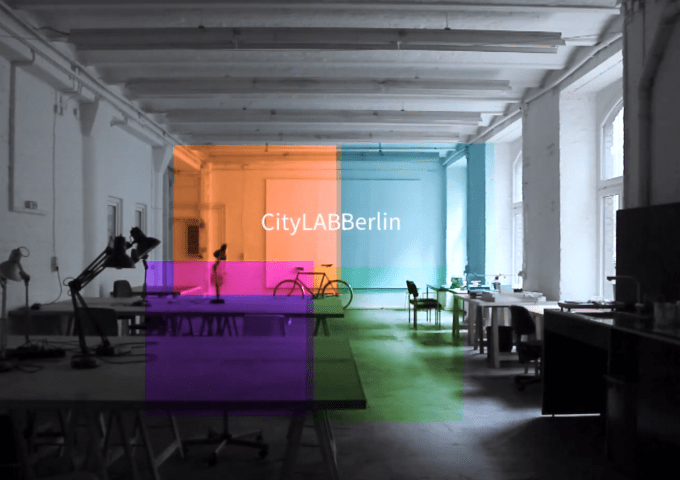
As a CDMA student, you're not confined to one discipline or one building. You take design classes alongside Architecture students, lead production at WNUB 88.3 FM, edit the Chameleon, write for the Guidon, and build a portfolio of real video work — all before you graduate. Some students take that range even further through CityLAB:Berlin, Norwich's micro-campus in the city. Here, students can study abroad, treating Berlin as a living laboratory for art, design and culture. 

Career Outcomes

What Can I Do with a Communications, Design, and Media Arts Degree?
The degree leads to a number of directions.  Graduates work across creative, technical, and strategic roles, and the internship embedded in the curriculum means students enter the job market with real experience and a portfolio of actual work.

Film and Video Producer

Corporate, events, news, brand, and sports production. You'll graduate with experience built in the Media Lab and on-campus work with a video team.

Film and video producer careers

Social Media Coordinator

Access to work for companies, agencies, nonprofits, sports organizations, and government agencies. One of the highest-volume entry roles in communications.

Social media careers

Graphic Designer

Visual design built alongside Architecture students — you engage in spatial thinking and composition, and bring your ideas to life.
 

Graphic design careers

Public Relations Specialist

Past internship placements at WCAX, the Vermont Chamber of Commerce, the U.S. State Department, and Flywheel Design. Projected to grow 5% through 2034, faster than the national average.

Public relations careers

Sports Marketing and Communications

Work inside professional sports organizations on brand, media, and fan communication.

Sports marketing careers

Explore more career paths

The Center for Career Readiness can help you explore options, find internships, and plan your next steps.

Center for Career Readiness
video thumbnail

CityLab:Berlin

In June 2027, CDMA students travel to Berlin for a Maymester-style immersive experience. Students make a Berlin book, drawing, writing, and binding their own story of the city. Faculty member Mareike Lee leads the experience, which has included exploring the interstitial spaces left by the Berlin Wall.

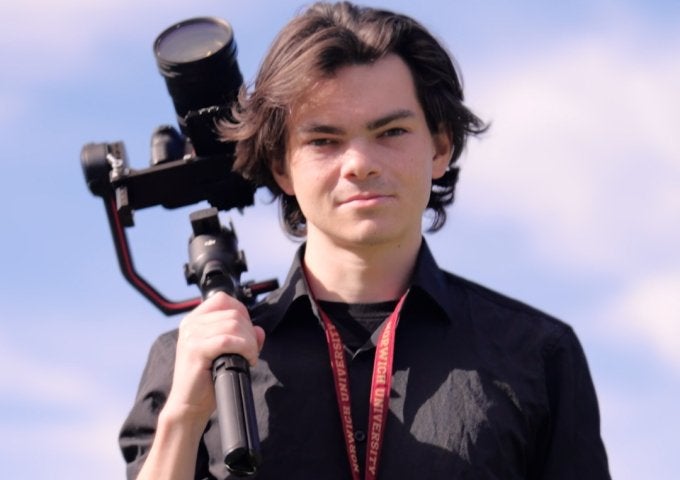
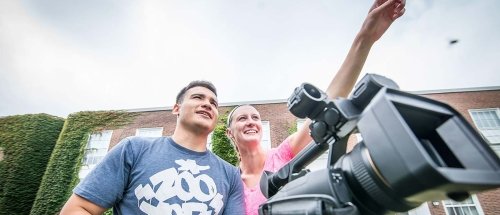
Student holds camera stabilizer outdoors while wearing a Norwich University lanyard.

Dan Luciani ’26 B.S., communications

Internships

Internships are embedded into the curriculum. Past placements have included Apple Music, the U.S. State Department, WCAX TV, PBS, the Vermont Chamber of Commerce, Flywheel Design, and the T.W. Wood Museum. Students also complete on-campus internships with the MCO video production team, Chameleon, and The Guidon.

Program Facts and Figures

CDMA Highlights

  • Newest Program
    2 Schools. 1 Major.

    Communications, Design, and Media Arts is the newest major at Norwich University. Courses drawn from both the Department of Global Humanities and the School of Architecture and Art. That interdisciplinary structure gives you a foundation in English, communications, art, design, and architecture within a single degree.

  • Hands-on Access
    Media Lab

    In the Media Lab, you have hands-on access to cameras, editing workstations, and production equipment from your first year — now located in the Cyber Center.

  • Faster Than the National Average
    5% Job Growth

    Projected employment growth for public relations specialists is faster than the national average. Bureau of Labor Statistics 2024.

CDMA at Norwich

From your first year, you have access to the Media Lab's cameras, editing workstations, and production equipment in the Cyber Center. 

Leadership opportunities in student media are available just as early.

The Chameleon Literary Arts Journal

The Chameleon is a fully student-produced literary arts journal: writing, photography, layout, web design, editing, and animation. You can join the editorial team, contribute work, or take on a leadership role in the production process.

The Guidon 

Norwich's student newspaper offers opportunities in journalism, editing, and media production.  

WNUB 88.3 FM — Dog River Radio 

Norwich's campus radio station. You can take on roles in broadcast, audio production, and media management from your first year. 

The field is wider than most people expect — film and video production, brand strategy, social media, UX design, publishing, public relations, and sports marketing. The Center for Career Readiness can help you explore options, find internships, and plan your next steps.

Program Requirements

To view additional program details and degree plans, visit the Norwich University Course Catalog.

Next Steps: The Admissions Process

  1. Here To Help

    We're here to help you along the way.

    We are thrilled that you are considering Norwich and have a team dedicated to help you through every step. College is challenging and fun, applying should be as simple as possible. Reach out to your admissions counselor whenever you have questions or need help!

  1. Apply Now

    Complete an application online using either the Norwich app or the Common app.

    Norwich Application

    Start your application using our in-house form.

    Norwich Application

    Common App

    Already have a Common App account? Click below to apply to Norwich in minutes.

    Common App

  1. Visit Campus

    From seasonal open houses to leadership training weekends and summer camps, Norwich offers personalized events for you to get the full Norwich experience.

    • Learn about our academic programs from renowned faculty
    • Discover admissions and financial aid options
    • Enjoy a complimentary brunch in the dining hall
    • Discuss athletics opportunities with Norwich coaches
    • Tour the campus and talk with current students about life at Norwich University

    Schedule a campus visit to meet students and see Norwich in action. 

You've been accepted to Norwich University. Congratulations, you are on your way to being part of an exclusive tradition and forging your own path within our noble history of service. 

  1. Scholarships

    Upon acceptance, you’ll receive a comprehensive letter that includes the merit-based scholarships you qualify for based on your GPA.

  1. Federal Student Aid App

    To be considered for additional aid, you must complete the FAFSA (Free Application for Federal Student Aid). By completing the free application you'll learn if you are eligible for grants, scholarships, work-study programs, or loans for college or career school.

    Note: FAFSA will open on or before December 1st, 2024 per the U.S. Department of Education.

    www.usa.gov/fafsa

  1. Review Your Financial Aid Package

    We’re here to help you every step of the way. Your admissions counselor is just a phone call, email, or text away. Schedule a personal consultation to review your complete financial aid package together. Contact your admissions counselor at any time throughout the process.

  1. Secure Your Spot

    Ready to exceed expectations and defy limits? Secure your spot at Norwich with a non-refundable enrollment deposit.

    Submit your enrollment deposit

  1. Stress-free Arrival

    Once you're accepted, you'll begin Norwich's unique Start Ready process to help you complete intake paperwork and prepare you for a stress-free campus arrival. 

    Check out the Start Ready Checklist for details.