Exercise Science
Understand Human Performance
You are interested in how the body moves, performs, adapts, and recovers — and how scientific knowledge can help people improve performance, support health, and meet physical demands.
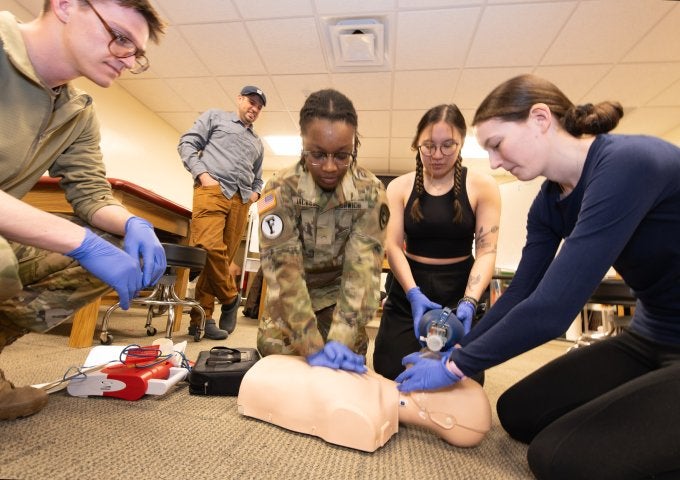
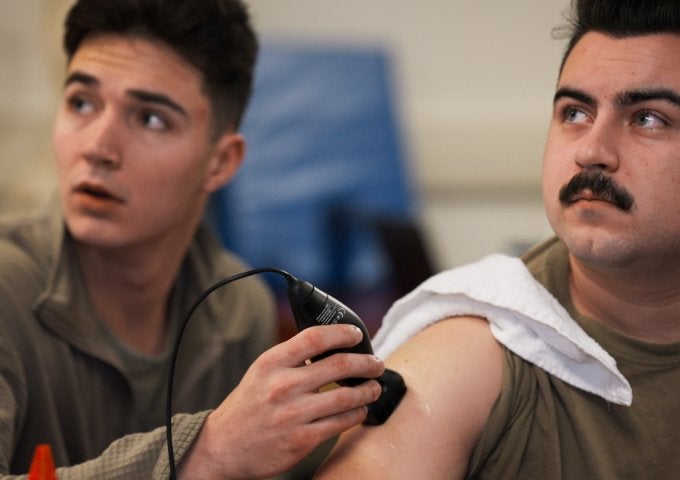
In Norwich University’s Exercise Science program, you will study human movement and health while developing practical skills in assessment, exercise programming, coaching, research, and professional practice.
Key Information:
What is Exercise Science?
Exercise science examines how physical activity affects the human body. Drawing from areas such as physiology and biomechanics, the field explores how people move, respond to exercise, improve physical capacity and maintain health over time.
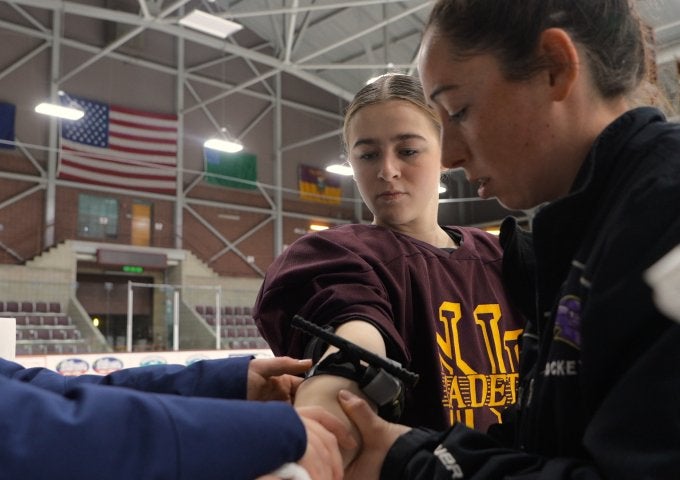
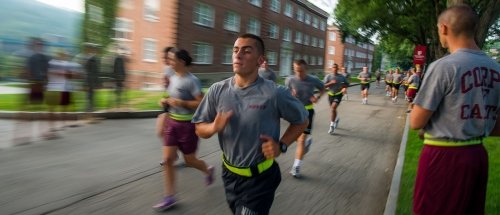
Professionals apply this knowledge in settings that may include athletics, health and fitness, clinical rehabilitation, research, and tactical human performance.
Exercise Science is the study of how the human body performs, adapts, and recovers. It draws on physiology, biomechanics, and nutrition to understand physical capacity and applies that understanding to improve performance, prevent injury, and support long-term health.
The field spans clinical settings, athletic programs, military installations, and rehabilitation centers. Exercise scientists work with competitive athletes, tactical populations, aging adults, and anyone whose physical capacity is central to what they do.
How Does Exercise Science Relate to Other Fields?
Exercise science is closely related to kinesiology, physical education, athletic training, and other health and movement disciplines. At Norwich, the Exercise Science program focuses on the scientific study of human movement, physical activity, and performance.
The curriculum is designed for students interested in areas such as strength and conditioning, health and fitness, clinical exercise, research, or graduate study. Physical education programs, by comparison, generally focus more directly on teaching movement and physical activity in school settings.
Where Can Exercise Science Lead?
An Exercise Science degree can provide a foundation for work or further study in several areas. Depending on the position, certification, and graduate-education requirements, graduates may pursue opportunities related to:
- Strength and conditioning
- Fitness and wellness
- Exercise physiology
- Health promotion
- Human-performance support
- Research
- Tactical strength and conditioning
- Graduate study in physical therapy, athletic training, exercise physiology, or related fields
A Growing and Changing Field
Exercise science continues to develop across health, athletics, rehabilitation, and human performance. Employers increasingly use interdisciplinary teams to support physical readiness, recovery, and long-term health.
Students may encounter opportunities in established settings, such as fitness and rehabilitation, as well as developing areas such as tactical human performance. The requirements for individual roles vary and may include professional certification or graduate education.